
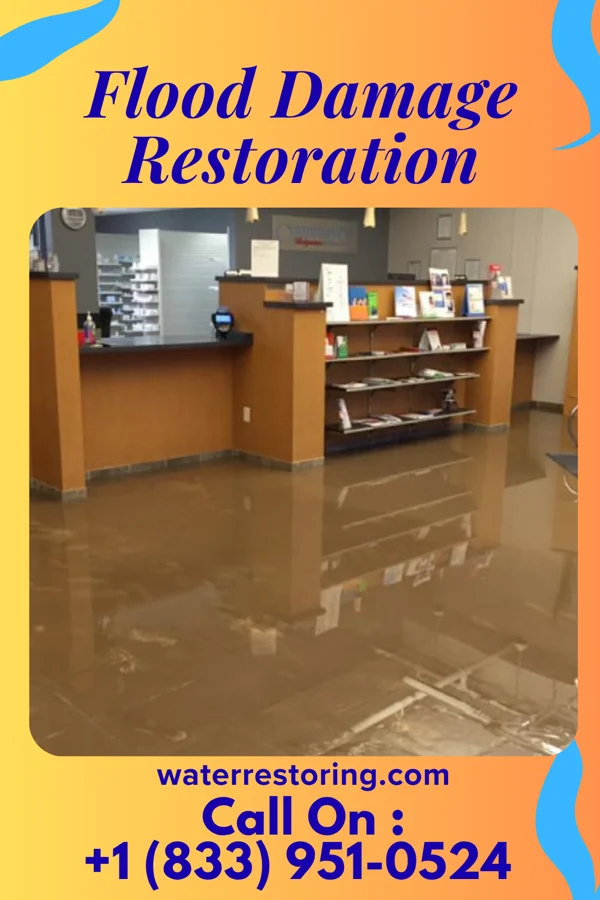
Why Flooding Hits Washington Hard
The pattern in Washington is consistent. Washington, Nebraska, is prone to flooding due to its location in a rural area with seasonal creek overflows and heavy spring rains. The surrounding agricultural land and lack of significant drainage systems contribute to localized flooding, particularly in low-lying areas near Bennington and King Lake. drives most of the emergency restoration calls we get.
Washington experiences a continental climate with cold winters and warm summers, but the region is particularly vulnerable to flash flooding during late spring and early summer. Heavy rainfall events can quickly saturate the soil, leading to water accumulation in nearby fields and residential areas.
Washington experiences a continental climate with cold winters and warm summers, but the region is particularly vulnerable to flash flooding during late spring and early summer. Heavy rainfall events can quickly saturate the soil, leading to water accumulation in nearby fields and residential areas. The dominant local driver is Washington, Nebraska, is prone to flooding due to its location in a rural area with seasonal creek overflows and heavy spring rains. The surrounding agricultural land and lack of significant drainage systems contribute to localized flooding, particularly in low-lying areas near Bennington and King Lake.. Our experts are trained to handle all water damage categories, including clean water (Category 1), gray water (Category 2), and black water (Category 3), ensuring comprehensive and safe restoration in Washington, Nebraska.
For public guidance on the health effects of mold after prolonged water exposure, see the EPA mold and health page.